New Doors · High Park
Commercial Rolling Door Repair in High Park
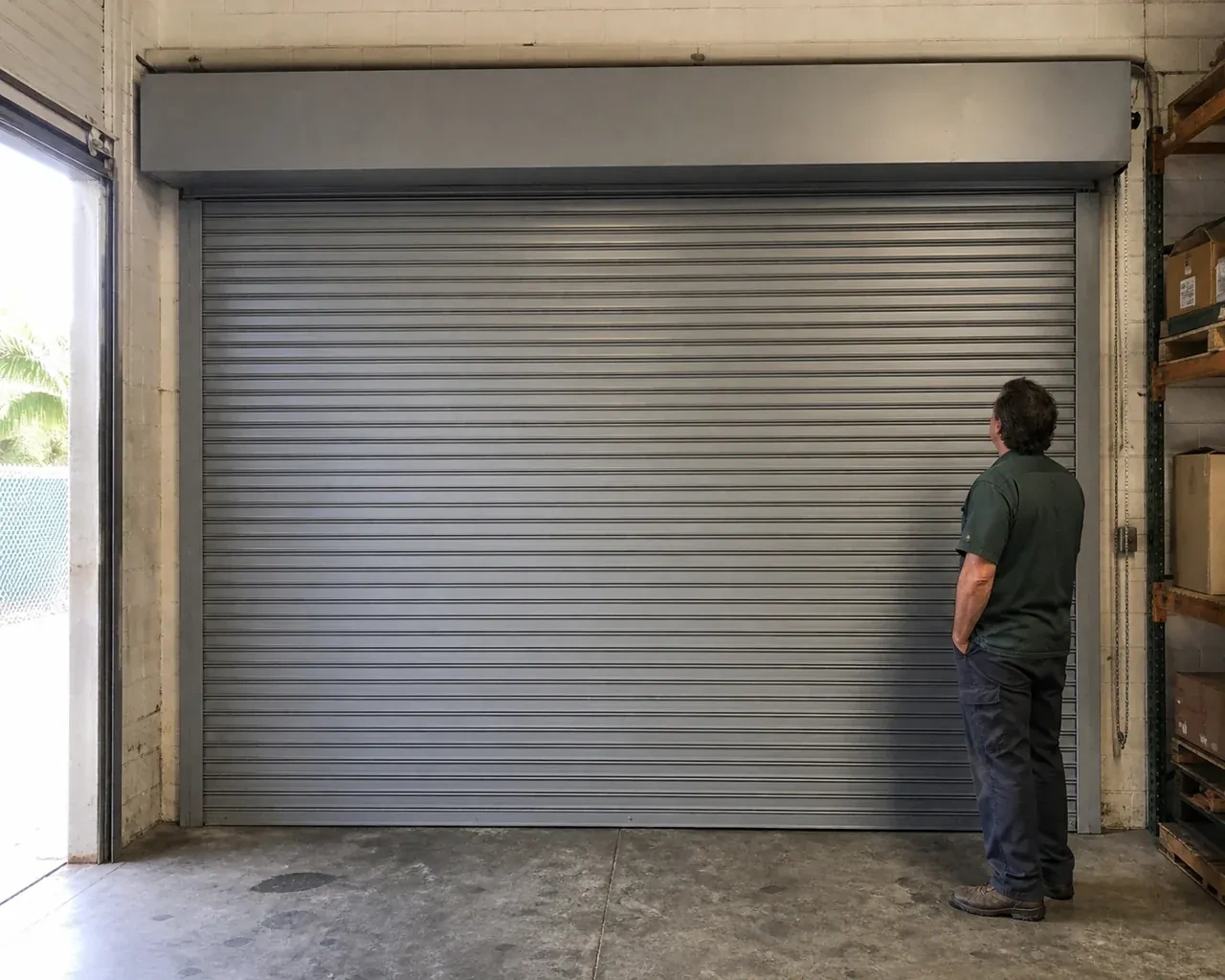
The labelled rolling fire door still moves from its control, yet the release assembly and closing path were disturbed during nearby work. The facility needs the repair and return-to-service record handled as a fire-door scope.
Commercial Rolling Door Repair
In plain words
Powered rolling doors add controls and protective devices to the mechanical assembly. A closing complaint may begin at the control station, interlock, sensing edge or photoelectric sensor rather than inside the operator. The visit checks the curtain's free movement first, then follows control response, brake action, limit settings, manual disconnect or hoist and external protection suited to that system. Compatible repairs are completed with the operating instructions in hand. Testing covers normal commands, stopping points, manual operation and protective-device response so staff understand how the restored door is intended to behave.
How the visit goesA lift truck clipped the lower curtain during unloading. Now two slats are bowed, an endlock catches halfway up, and each attempt to cycle the door pulls the damaged section farther toward one guide.
High Park
How the visit goes
Measure guides and building attachment
Guides need consistent clearance and solid support to direct a rolling curtain. Their gap is compared from floor to head, both sides are checked for plumb and parallel, and the bellmouths and stops are examined where the curtain enters. Wall angles, bracket connections, anchors and the surrounding jamb are reviewed for looseness, corrosion or movement after an impact. A door can have straight slats and still bind when the opening has shifted around it. Measuring the support surfaces separates a door-component repair from structural or masonry work that needs its own responsible party.
Restore the bottom bar and closure line
The bottom of the door determines how it meets the floor, carries locks and engages a sensing edge when fitted. A twisted bar is straightened or renewed within the agreed scope, damaged retainers and astragal are replaced, and slide bolts or cylinder-lock parts are aligned only after the curtain hangs square. For a powered assembly, lock interlocks are checked so an engaged lock and an operator command cannot work against each other. The close limit is then set to bring the seal into suitable contact without crushing it, leaving the doorway even and ready for a clear locking test.
Better contact at the weather line
Where sealing work was included, the renewed astragal follows the sill with consistent contact and the curtain closes without pressing the seal flat. Staff can preserve it by clearing abrasive grit, packaging and frozen buildup before cycling the door. Drainage near the opening should direct meltwater away from the bottom bar, and sensor faces benefit from a gentle wipe after salt spray. The service notes identify the lubricant and cleaning approach suited to the installed product. These routines support smooth winter movement and help the lower curtain, guides and fasteners remain easy to inspect.
Commercial Rolling Door Repair
In the van
- Windlocks and curtain fasteners
- Guides and bellmouths
- Bearings and tension wheel
- Hand-chain hoist components
- Operator brake and limits
What affects the quote
Same fees day, night or weekend
1Counterbalance condition
Spring adjustment, bearing service and replacement of worn barrel-related parts require different labour and controls. Door weight, spring arrangement and operating position shape the counterbalance plan.
2Protective device scope
Photoelectric sensors, sensing edges, light arrays and vehicle-detection accessories serve defined roles. Quantity, mounting, wiring condition and operator requirements determine repair and test work.
3Traffic-control requirements
Loading schedules, pedestrian routes, lift-truck lanes and access to both faces determine how the work zone is maintained. Facility support and alternate routing form part of the service plan.
Commercial Rolling Door Repair: questions
What can facility staff check between service visits?
Staff can observe bottom-bar level, new dents or rub marks, guide debris, loose visible fasteners, torn seals, sensor cleanliness, unusual sounds and changes in operating effort. They can keep the sill and doorway clear and record impacts. Spring tension, bracket release and internal repairs remain controlled technician tasks because those areas involve curtain weight and stored energy.
What happens to a powered door during a power interruption?
Commercial operators commonly include a manual hoist, hand chain or disconnect arrangement, but the sequence varies by system. Staff are shown the intended changeover and normal manual effort after repair. The door must still move freely and remain balanced; the emergency method is an operating feature, not a substitute for correcting a binding curtain or worn component.
What information helps before the visit?
Useful details include the opening size, curtain material, manual or powered operation, model labels, current door position, recent impact or weather event and the exact point where travel changes. Photos of the full opening, bottom bar, controls and labels can clarify the system. Mention a fire-protection label at the outset so that scope is recognised.
Installation & Upgrades
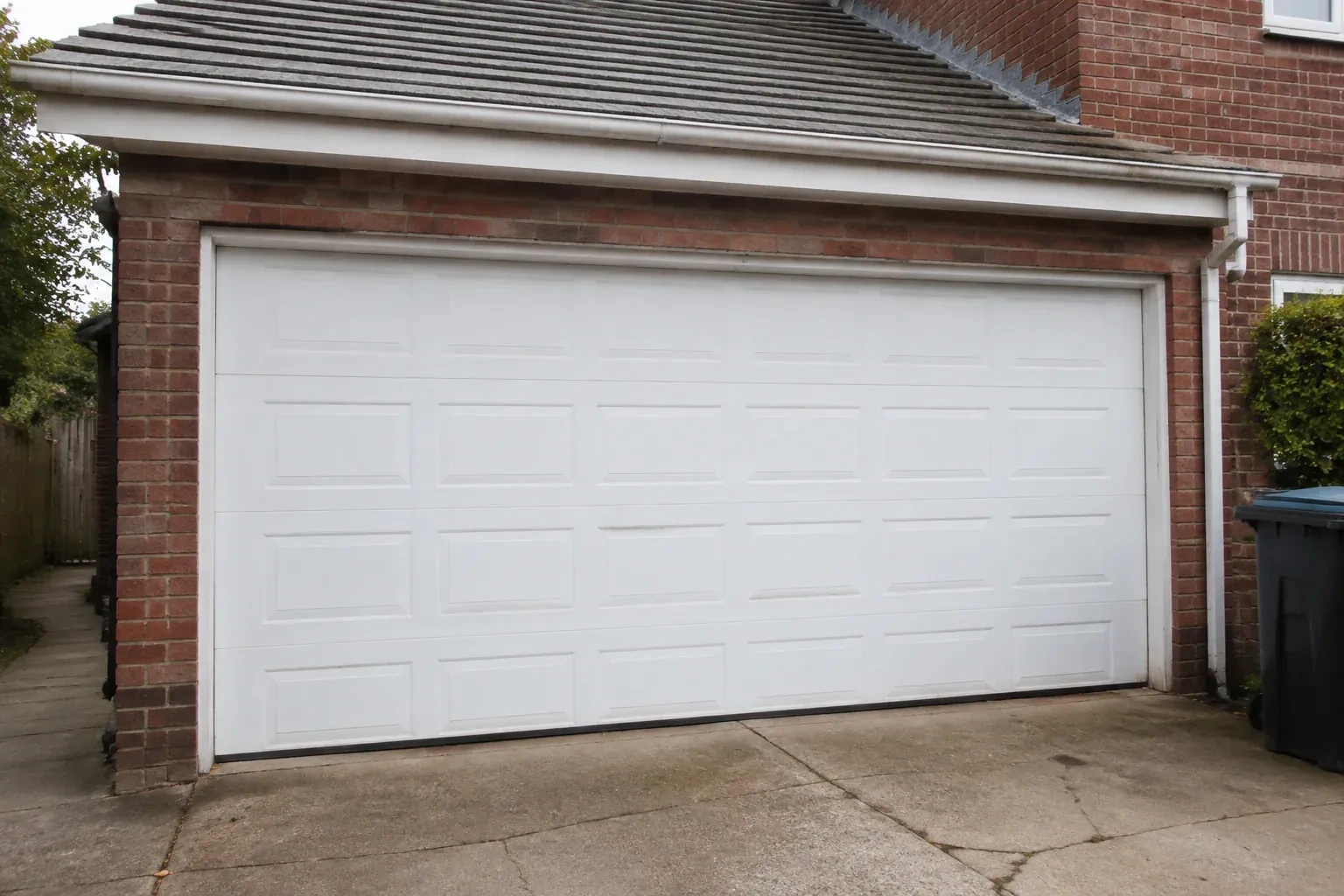
- Insulated Steel Garage Door InstallationThe existing door opens on old tracks that crowd storage near the ceiling.
- Wind-Rated Garage Door ReplacementNew windows would improve the door's appearance, but they also change the section layout and…
- Carriage-House Garage Door InstallationTwo garage openings sit side by side, and small differences in window spacing or decorative…
Commercial Rolling Door Repair near you
Whether the door on your house in High Park needs a single roller or a whole new opener, the services listed here cover it. Repairs come first, because most doors can be saved; springs, cables and hardware follow; then openers and remotes; and finally new doors for homes and commercial buildings.