Garage Doors in Swansea, OntarioA new door,chosen with care.
Choosing a garage door for a house in Swansea means thinking about insulation, windows, colour, how the panel pattern breaks up the face of the home, and how the door will sound at dawn. We walk through each of those questions with you and measure the opening before anything is ordered.
We work in Swansea the way a good tradesman works on his own house: replace parts in matched pairs so wear stays even, use the spring size the door actually needs rather than the closest one on the shelf, and tidy the garage before leaving. Small habits like these are why doors stay fixed.
— Parkdale Garage Door Services
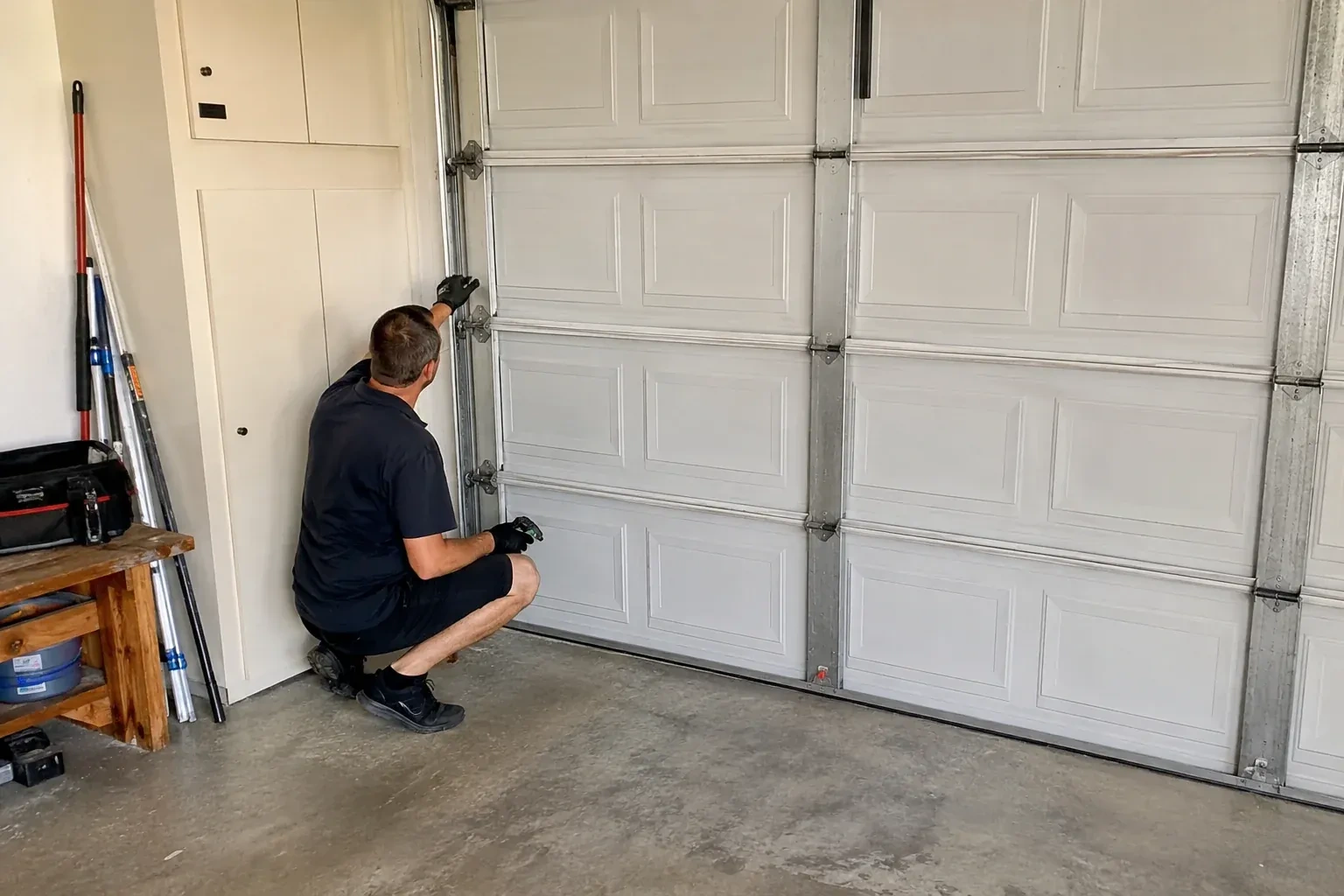
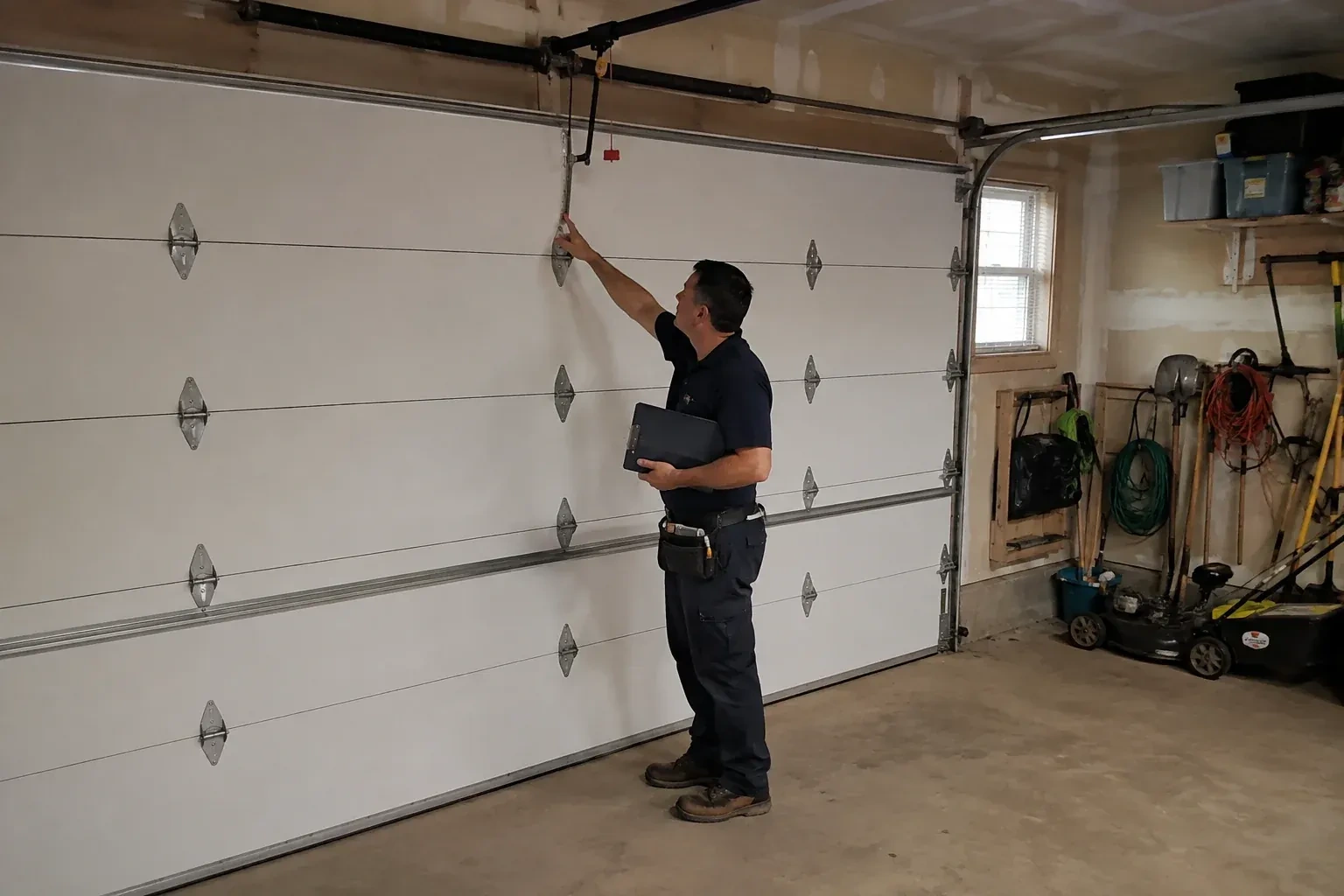
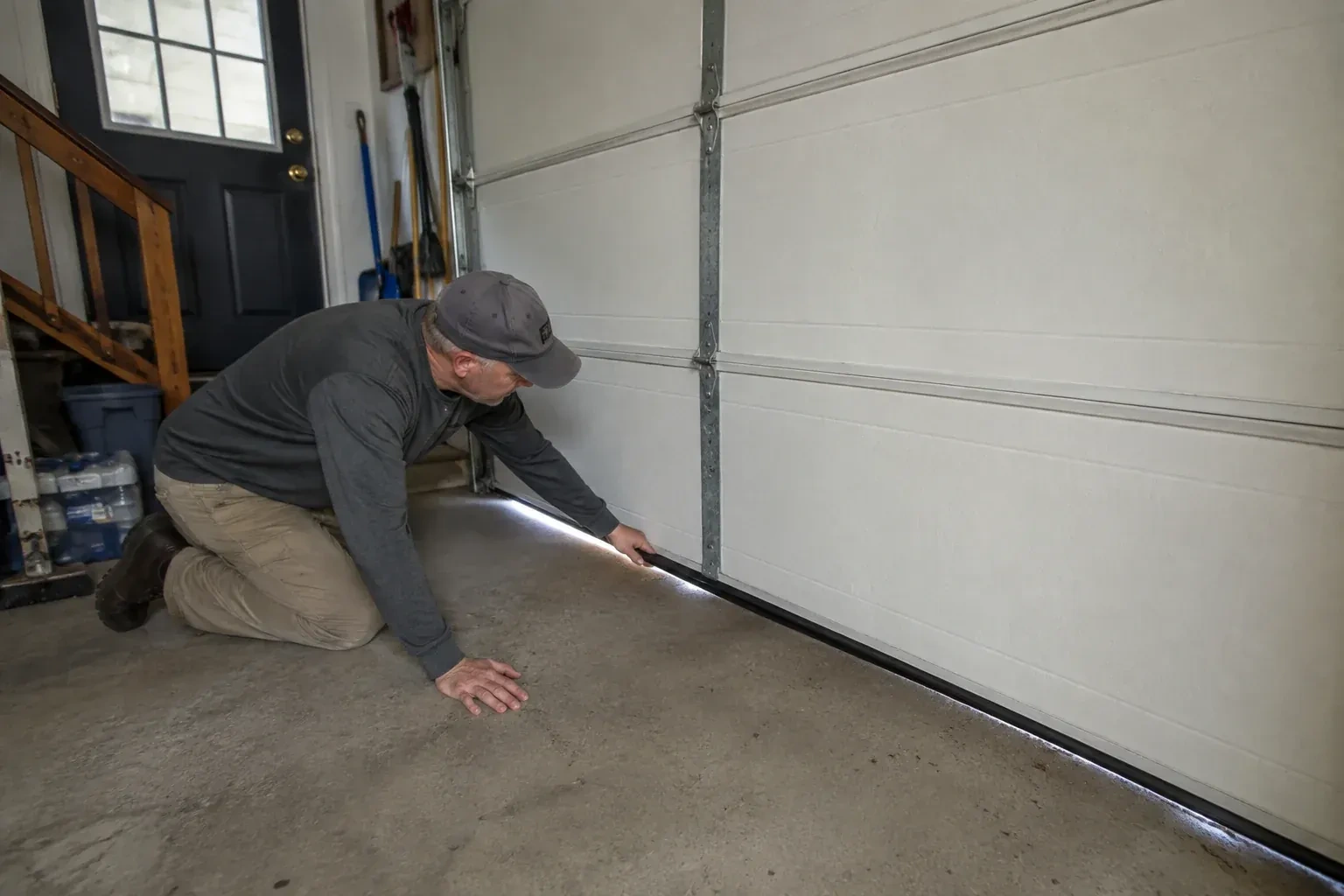
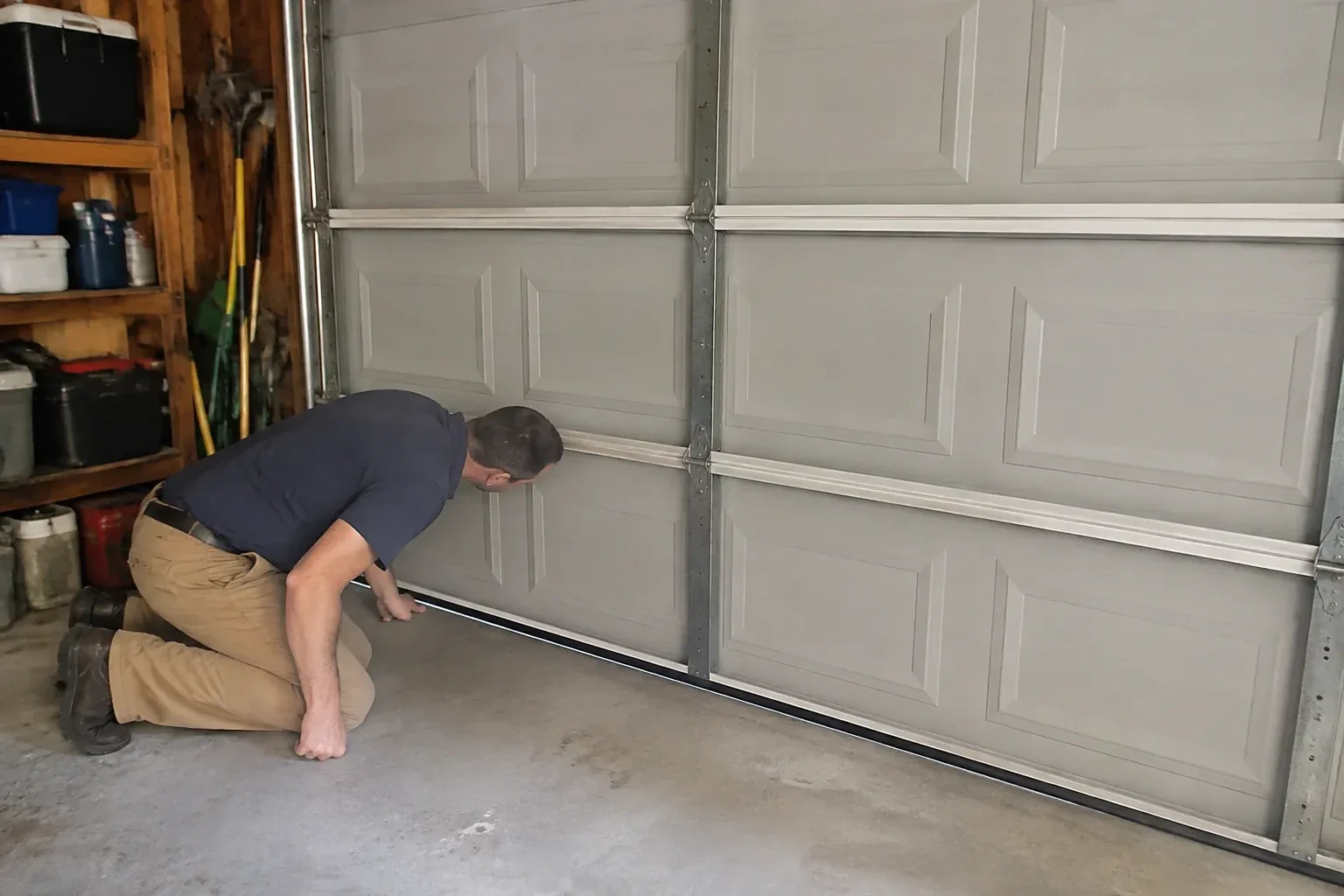
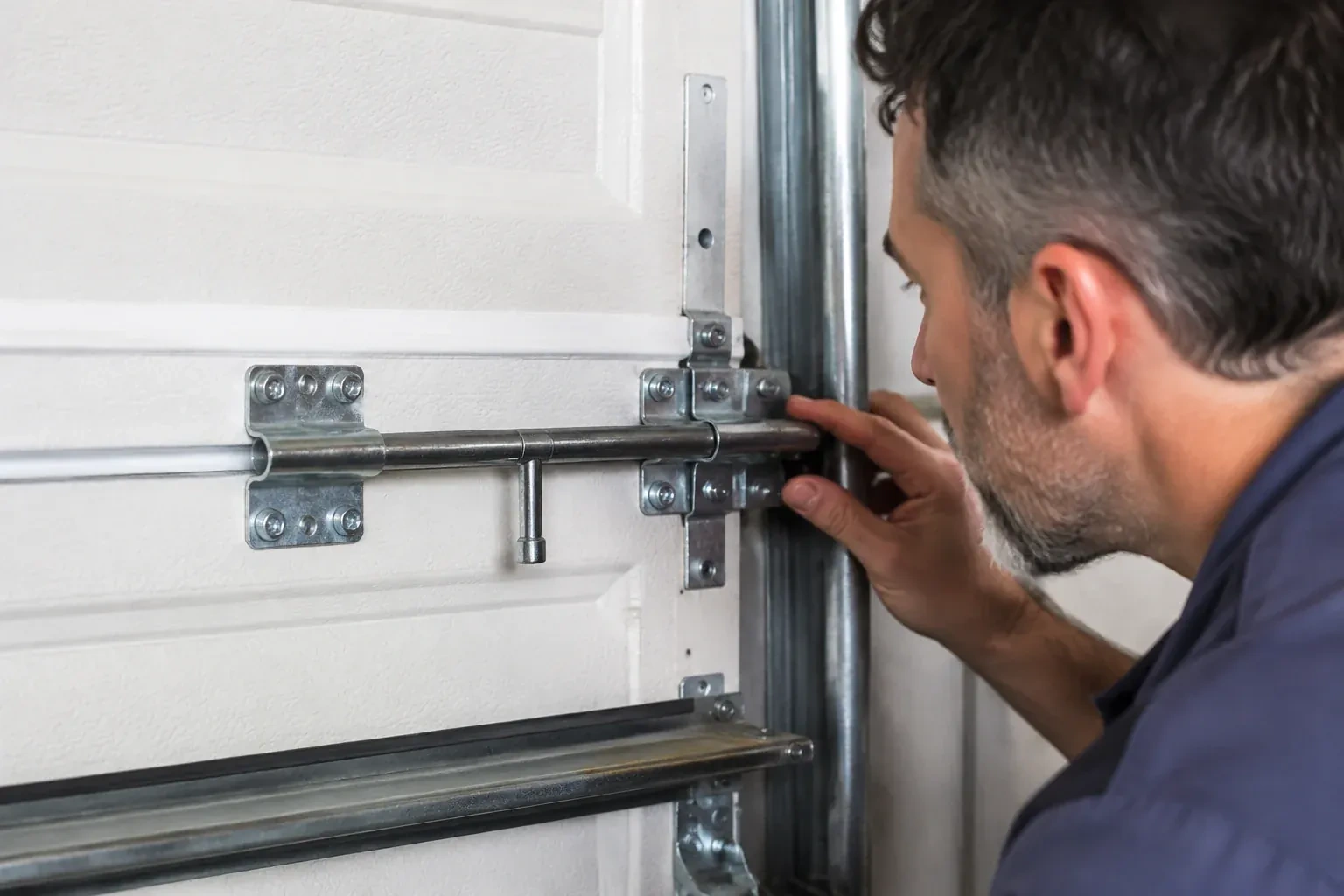
A walk-through of the doorYou see what we see: the spring that has stretched, the cable that is fraying, the sensor that is knocked off line.
Care for what is storedBikes, tools, seasonal boxes and vehicles are moved or covered as needed, and put back where they were.
Choices that fit your plansSelling next year, staying for decades or renting out: the right option depends on that, and we ask before advising.
Hours
HoursOpen 24/7
Nights and weekendsSame fees
In business35 years
VisitsOn-site assessment
Garage door services
Where to start
A garage door in Swansea rarely fails all at once. It gets louder, slower or less even first. Our services are arranged so you can act at any point: a tune-up while it is still working, a repair when something lets go, or a replacement when the door has earned its retirement.
Tune-ups are the heart of this group. One visit covers lubrication, hardware tightening, roller and hinge inspection, balance and travel checks and a look at the seals, so small wear is caught while it is still easy to correct.
Cold snaps take a toll on springs already near the end of their life. A coil that was hanging on through the summer often lets go on the first hard frost.
About 58% of homes in Toronto were built in 1980 or earlier, according to the 2021 Census.
Original openers in older neighbourhoods often predate photo-eye sensors and rolling-code remotes. Bringing one up to date means a quieter motor, sensors that stop the door for a child or pet, and remotes that cannot be copied from the driveway, all installed in a single visit.
23%
Single-detached houses make up about 23% of homes in Toronto (2021 Census).
Condo and townhouse garages are frequently used for storage as much as parking, with the door opened many times a day, and the shared walls mean vibration travels. A well-balanced door, tight hardware and a quiet opener are the upgrades residents notice most.
One side of my door hangs lower than the other. What does that mean?
A door that sits tilted almost always has a lifting cable that has gone slack, unwound from its drum or broken on the low side. The springs are still pulling on the other side, which is why the door racks and the rollers escape. Leave it where it is; levelling it means handling the springs and rewinding both cables evenly, which is done with the door clamped and the tension controlled.
What happens to the opener during the work?
It is disconnected at the release cord and unplugged before any hardware comes off, so the motor cannot pull on a door that is missing a section. After the new section is in and the door has been balanced by hand, the opener is reconnected and tested: its reversal against a board on the floor and its photo-eyes are checked every time, and the open and close limits or the force setting are reset only if that check shows they need it.
How can I tell if my springs are wearing out before they break?
Watch for a door that feels heavier by hand when the opener is released, an opener that strains or slows, a door that drops the last stretch rather than settling, or one that drifts down when stopped halfway. Visually, look for stretched gaps between coils, rust streaks or pitting on the steel, and any sag in the shaft. A balance check when you notice these lets you plan a replacement rather than react to one.
Do the pulleys need replacing at the same time?
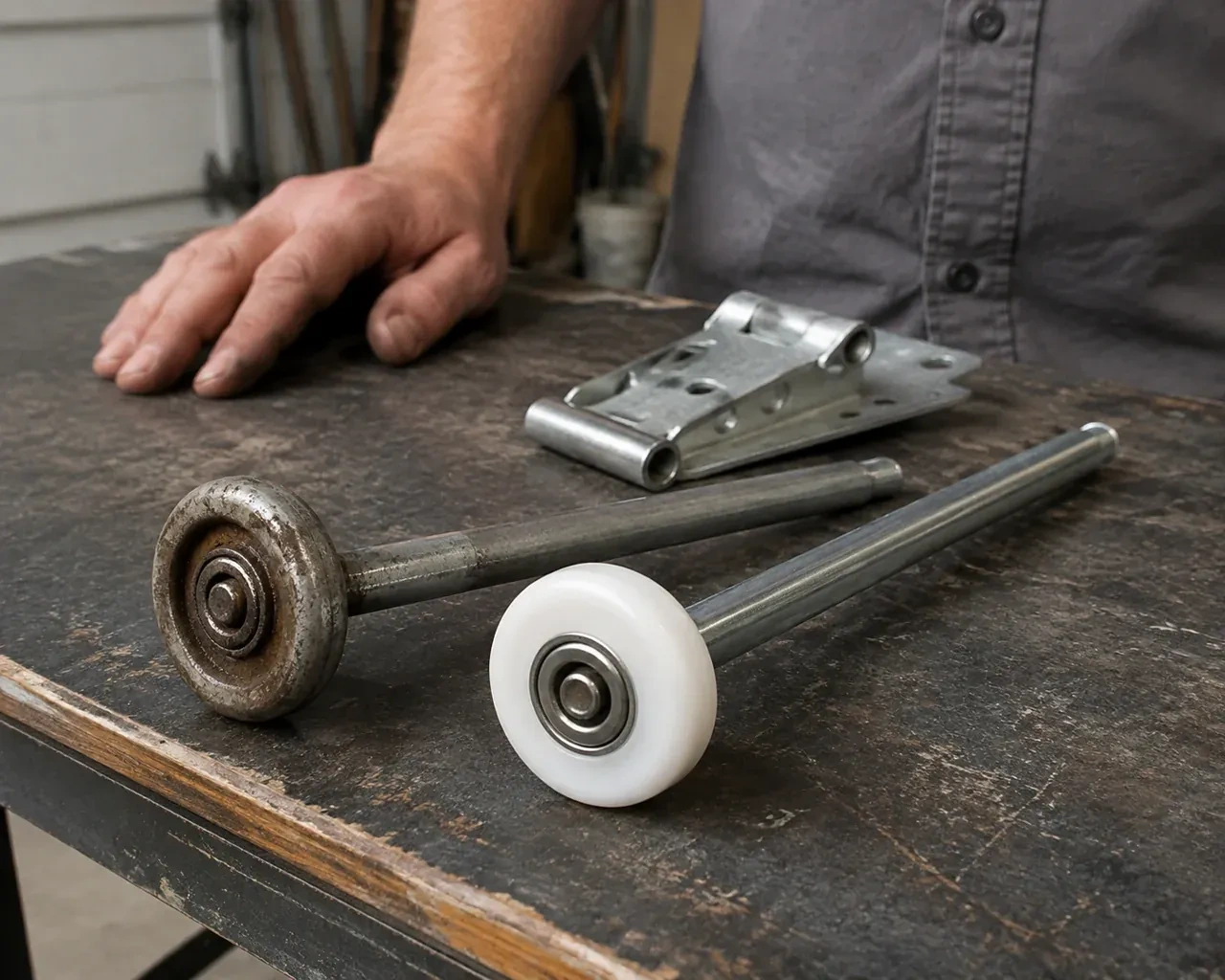
Often, yes. Each side has two pulleys, one on the spring and one fixed at the front of the track, and the cable rides over both on every trip. A pulley whose wheel has worn a sharp groove, or whose bearing has stiffened, drags on the cable and adds load the spring has to overcome, which is a common reason the old spring wore early. Pulleys that spin freely and run true can stay.
Will I need new springs, or just an adjustment?
The inspection decides, and looks past appearance alone. A spring can look sound, with tight, evenly spaced coils, no rust pitting and no gap, and still be the wrong specification for the door or nearing the end of its service life. The technician checks the spring's specification against the door's weight and history: a spring that checks out is wound and left in service, while one that is undersized, stretched, corroded or close to its cycle life is better replaced. Either path ends in a balanced door.
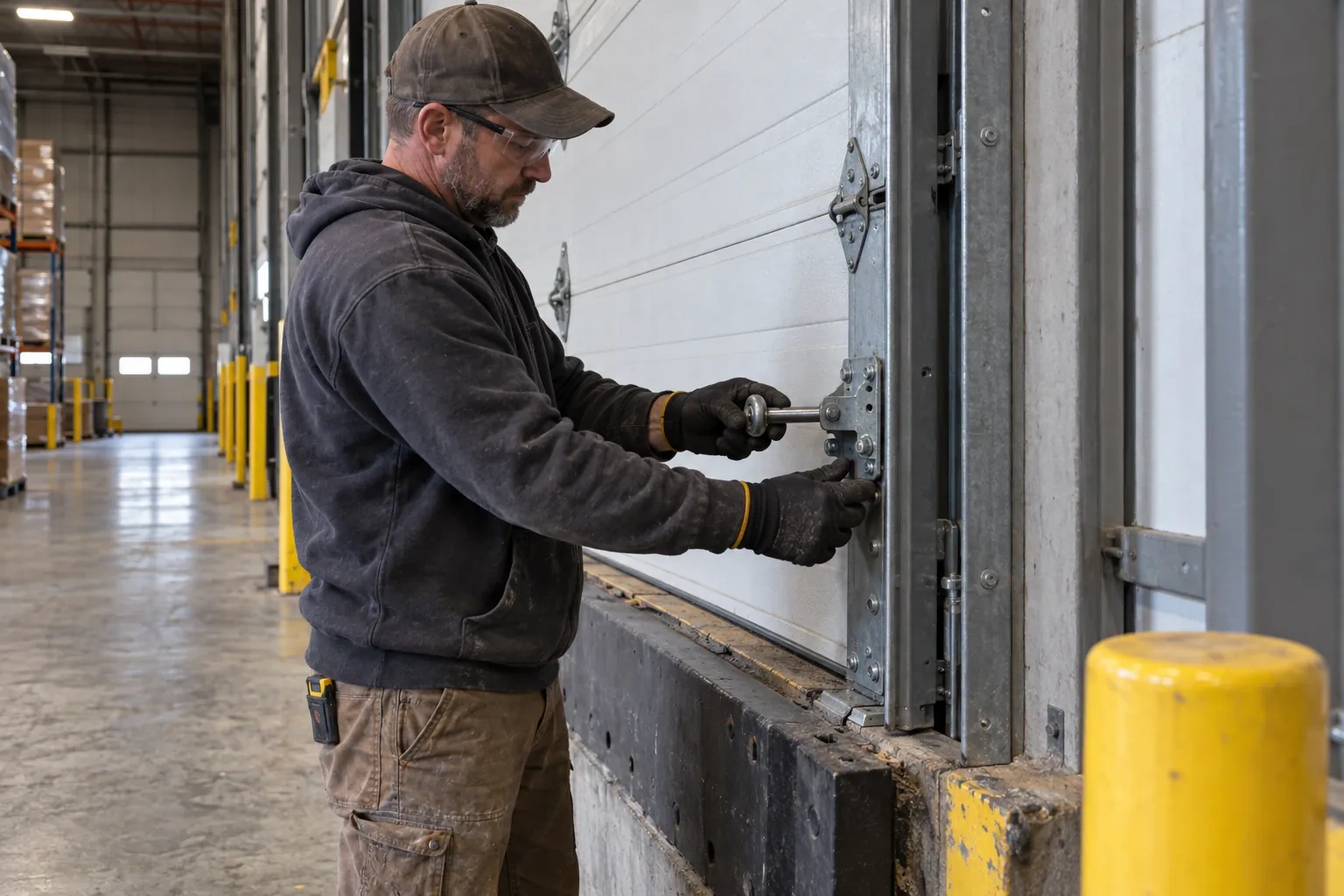
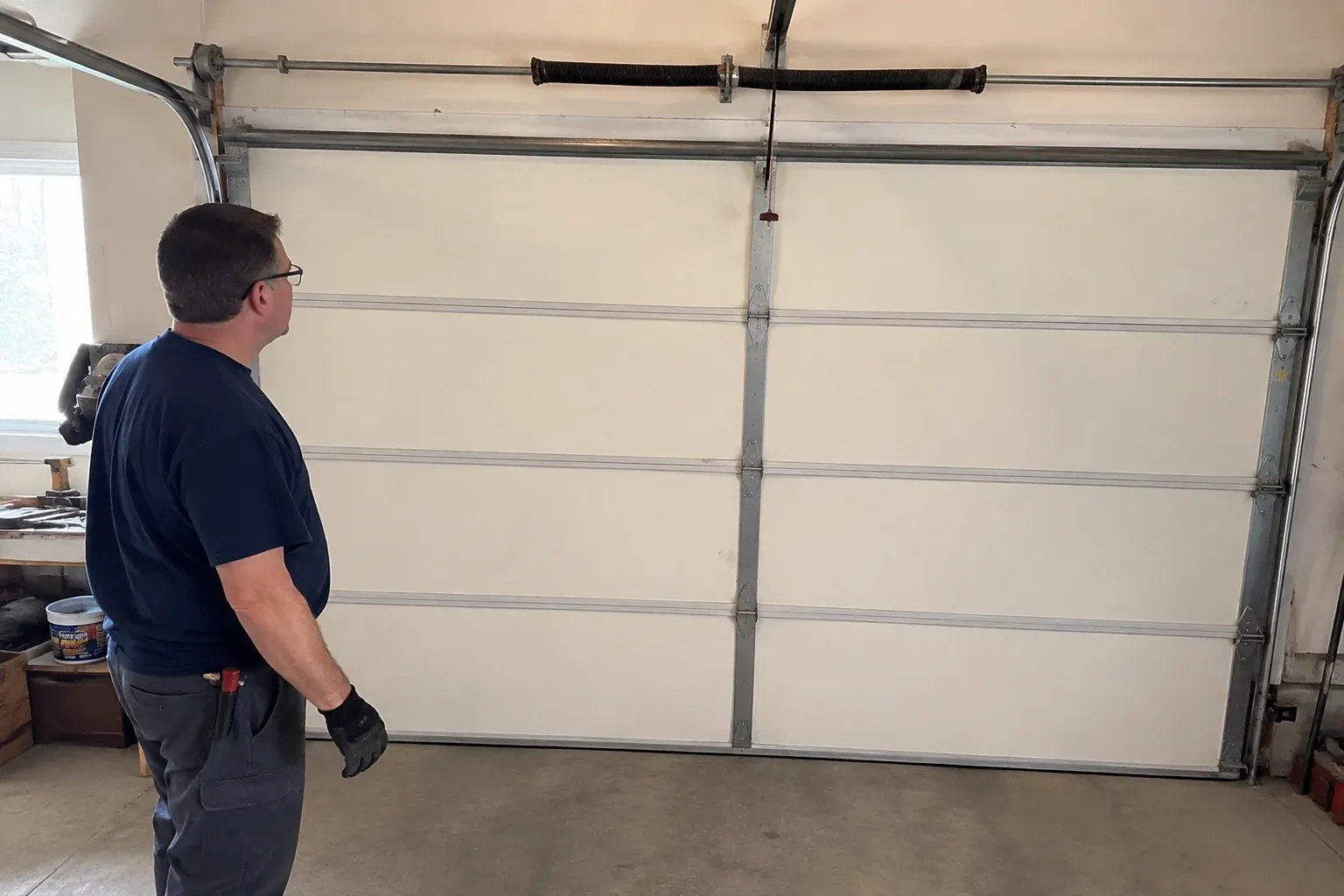 Off-Track Garage Door ResetThe rollers on the door have been squealing for months.
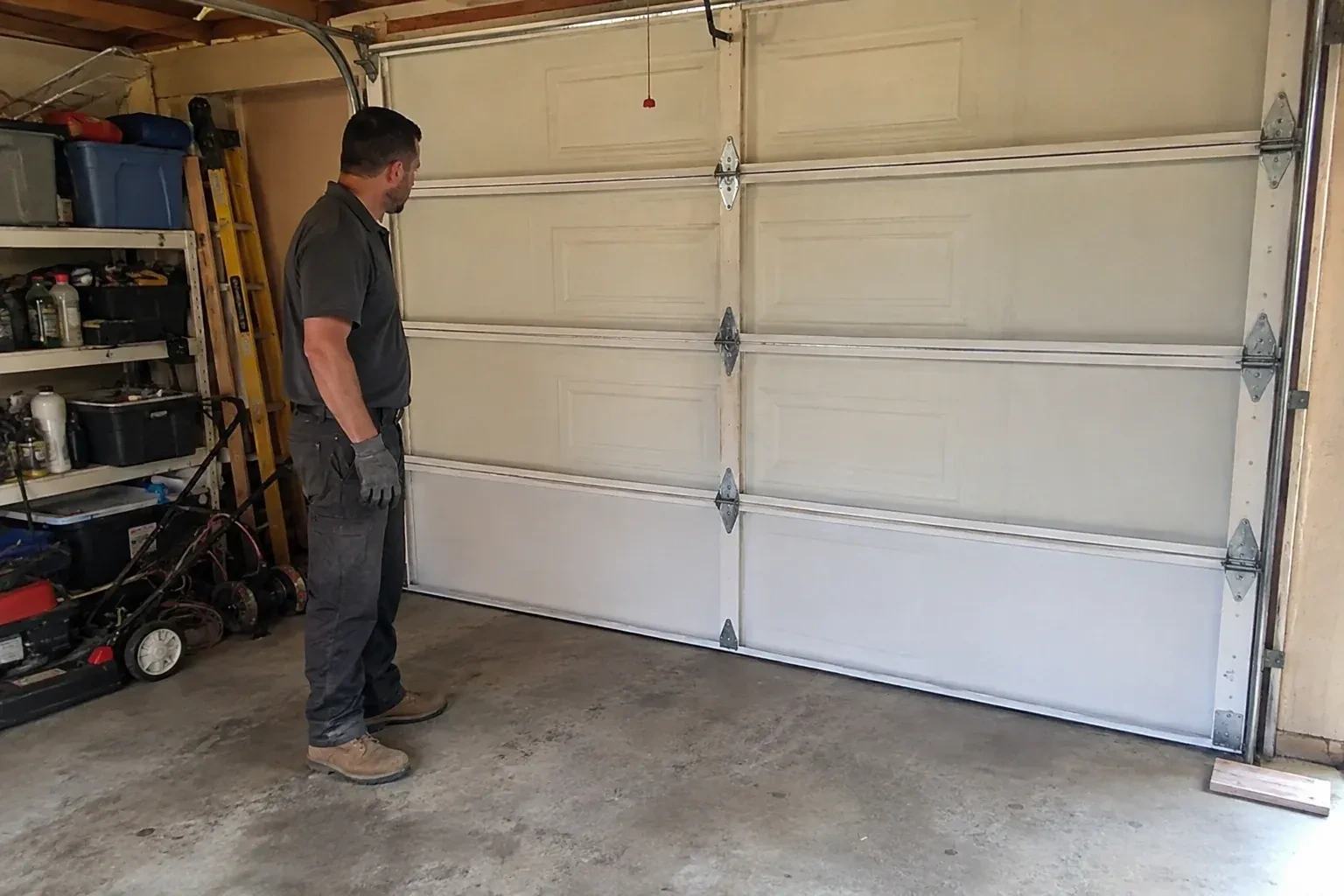 Garage Door Panel ReplacementA stray ball went through one of the window panes in the top section.
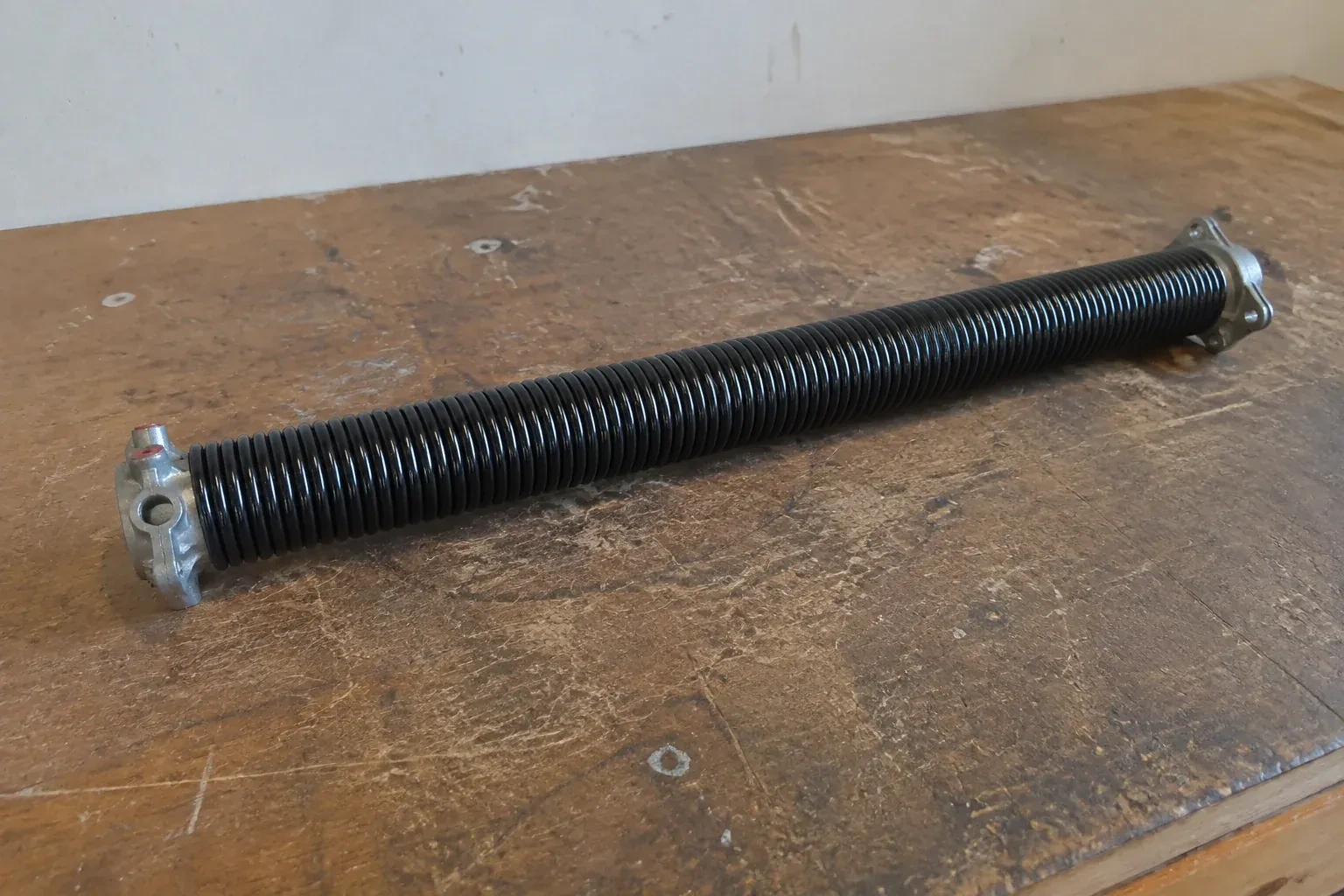 Torsion Spring ReplacementNothing broke outright, but the door has grown heavier each winter, opens more slowly and squeals as it moves.
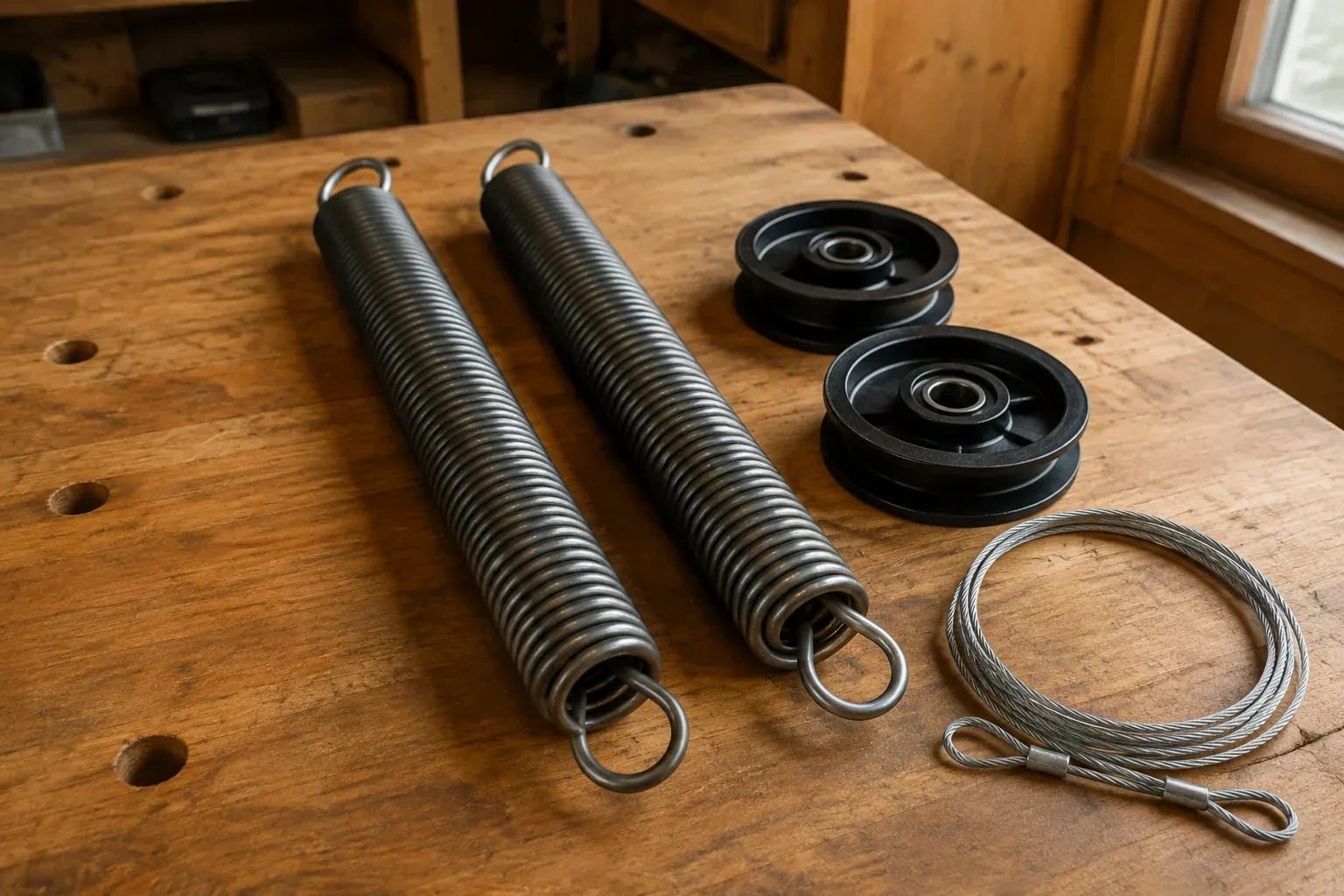 Extension Spring ReplacementIt is the first hard frost of the year and the door on the old detached garage has stopped halfway, squealing at one pulley.
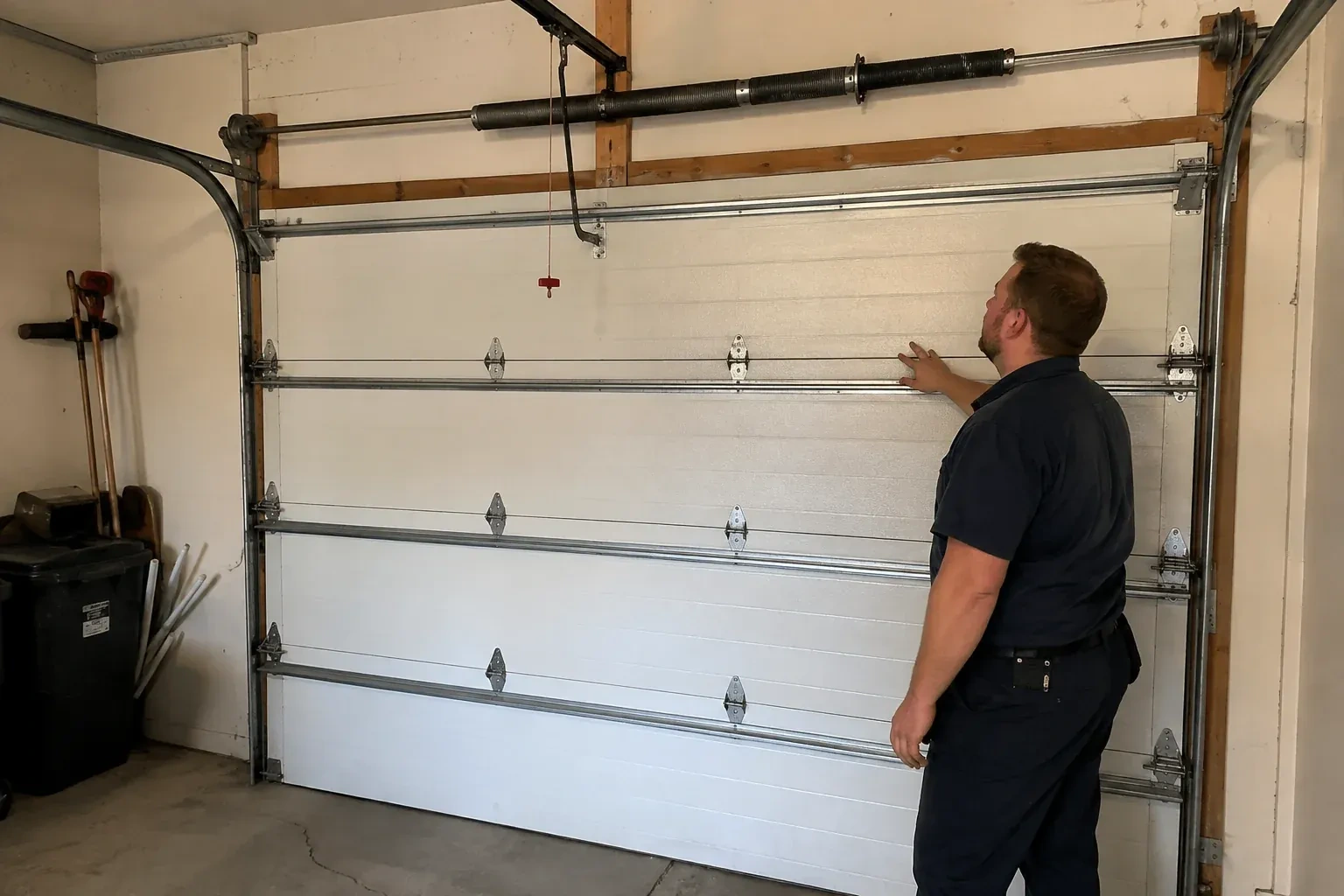 Garage Door Balance AdjustmentYou pulled the red cord to move the door by hand during the power cut, lifted it to about waist height and let go.
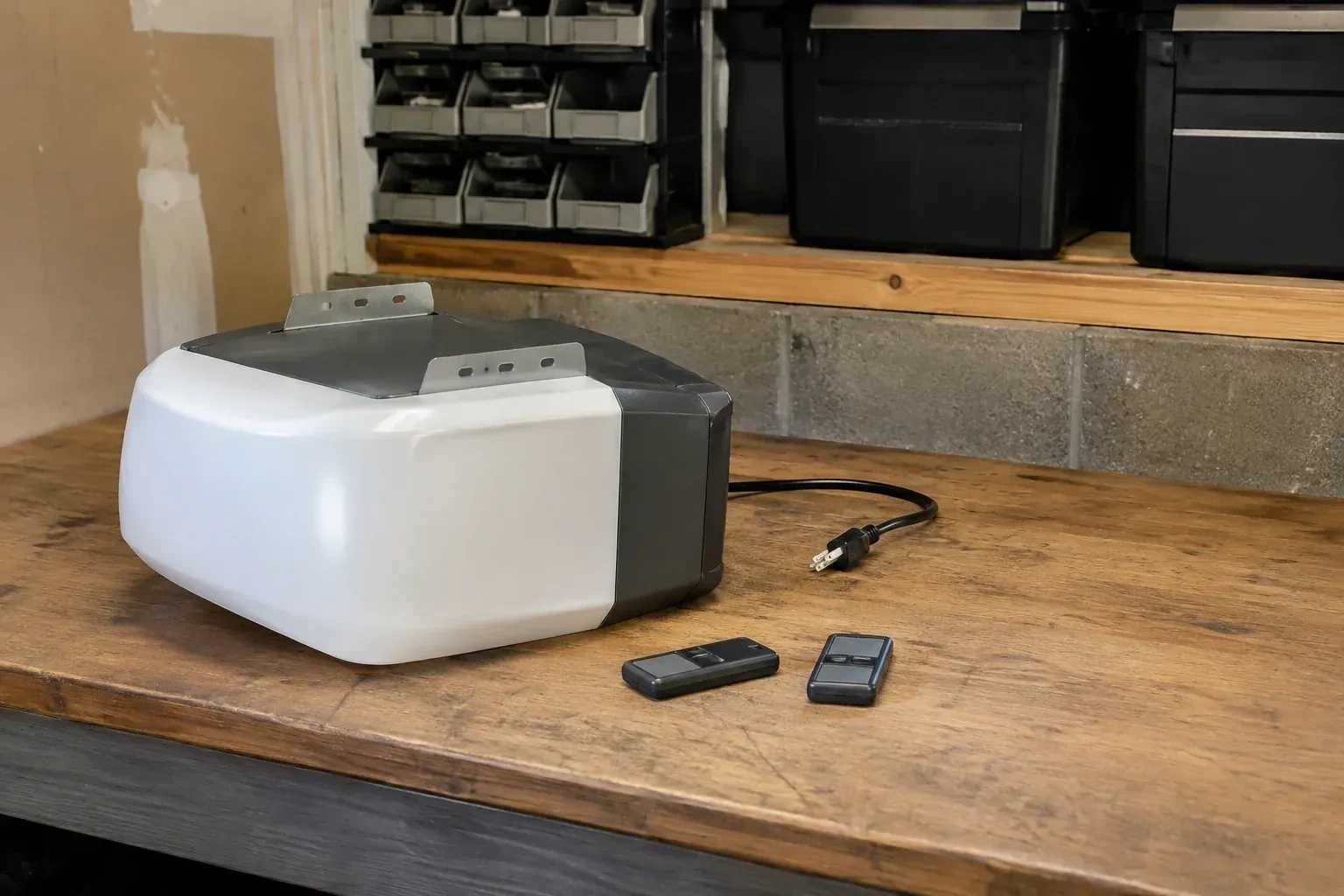 Garage Door Opener ReplacementYou want the ceiling back.
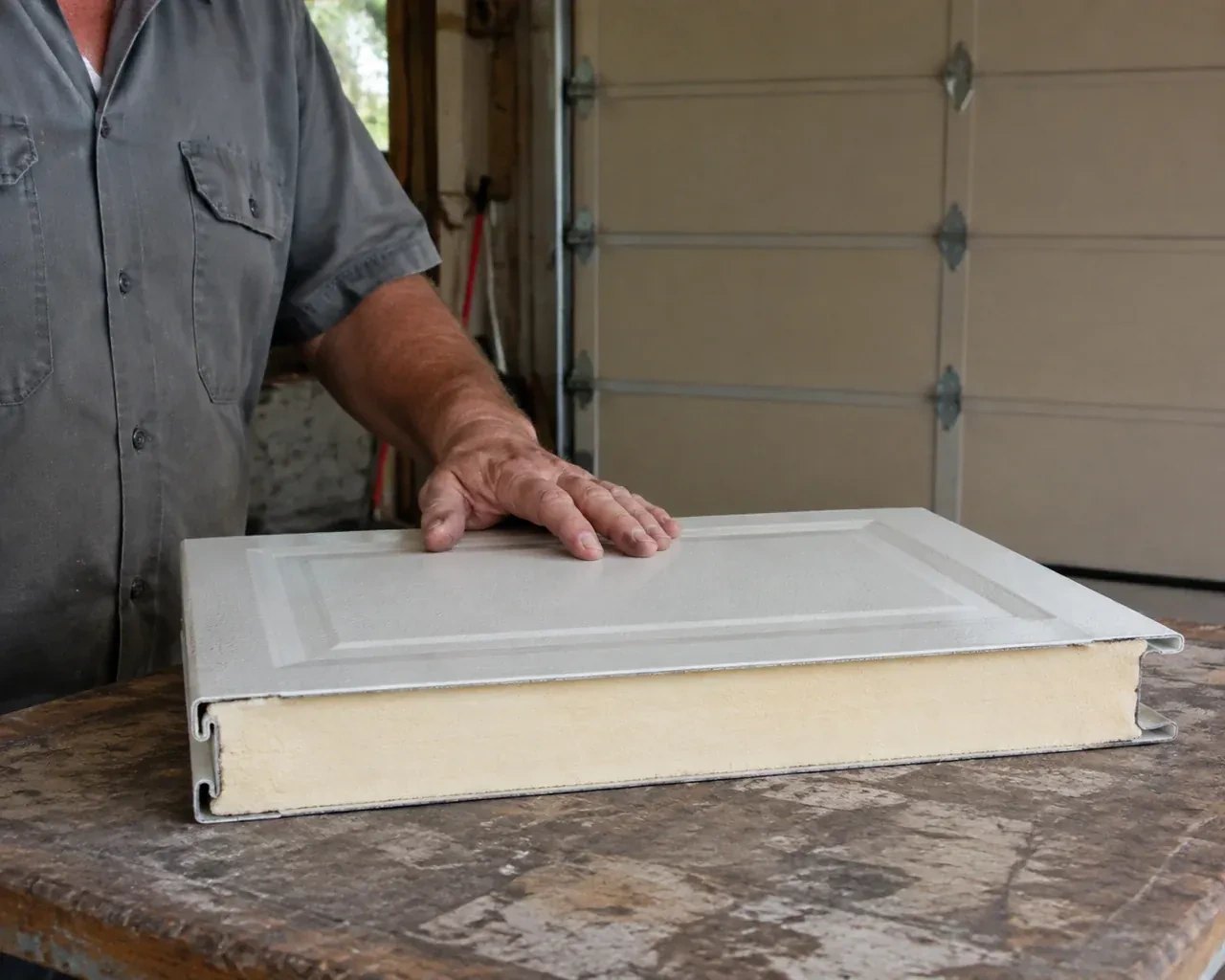 Insulated Steel Garage Door InstallationThe existing door opens on old tracks that crowd storage near the ceiling.
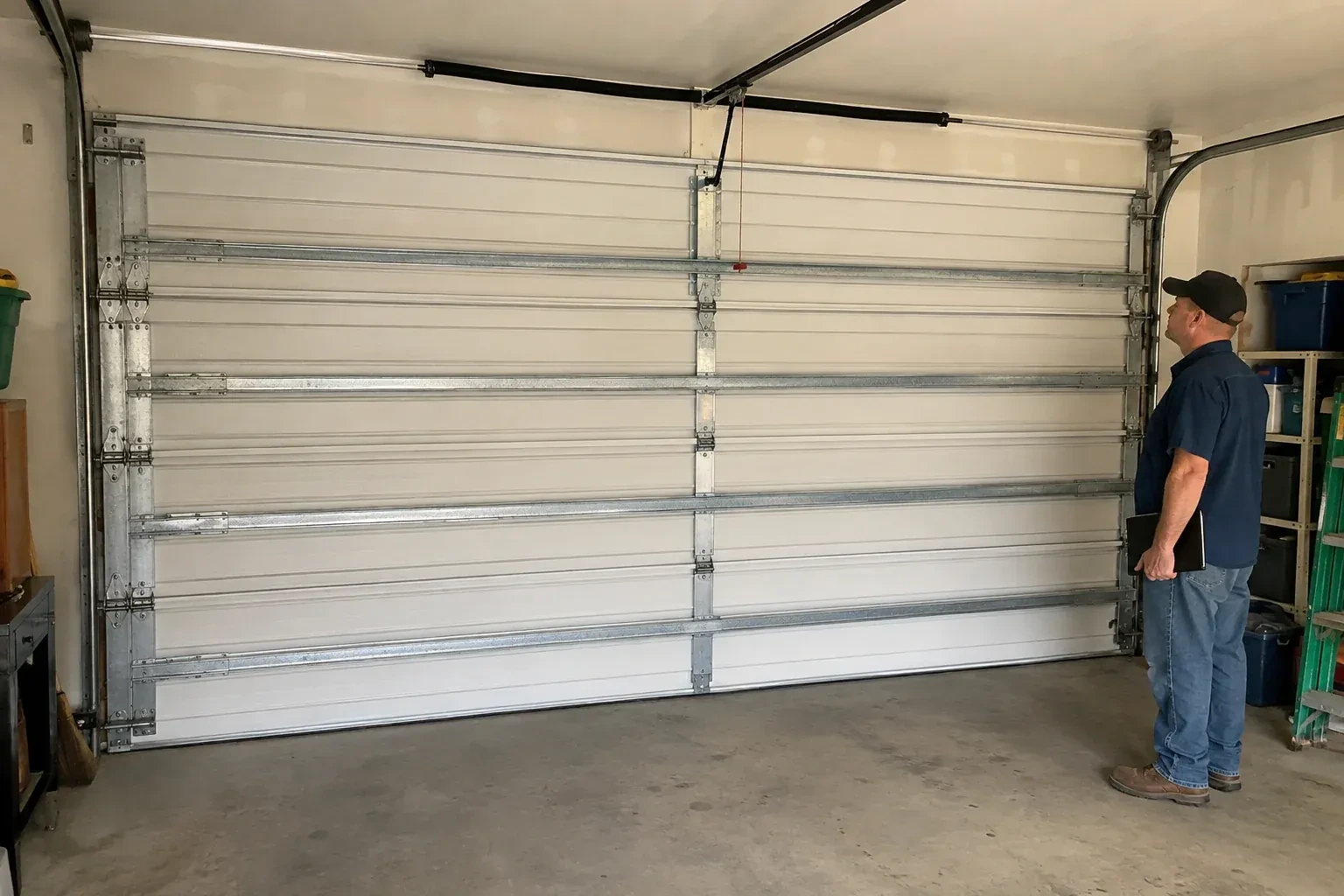 Wind-Rated Garage Door ReplacementNew windows would improve the door's appearance, but they also change the section layout and reinforcement pattern.
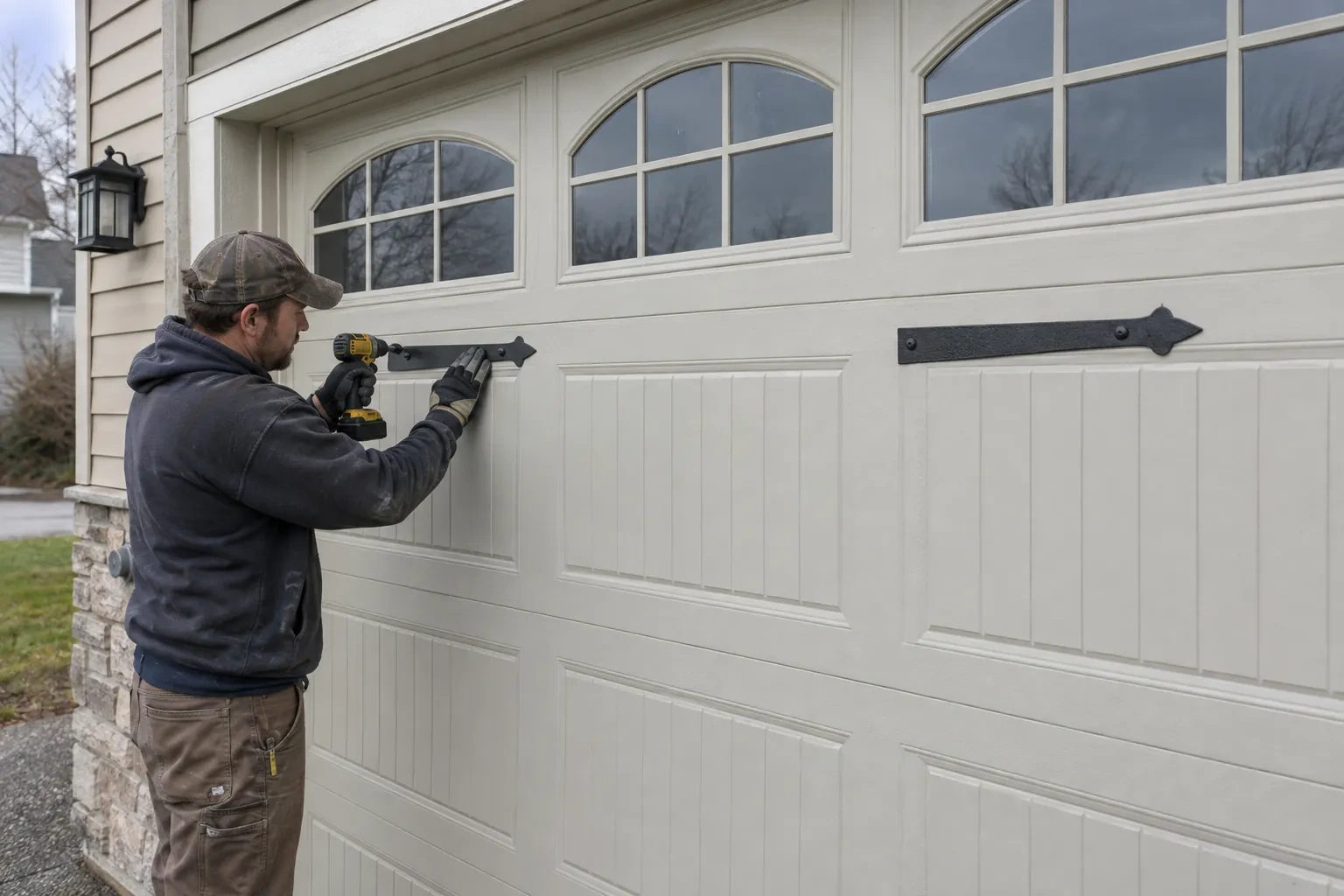
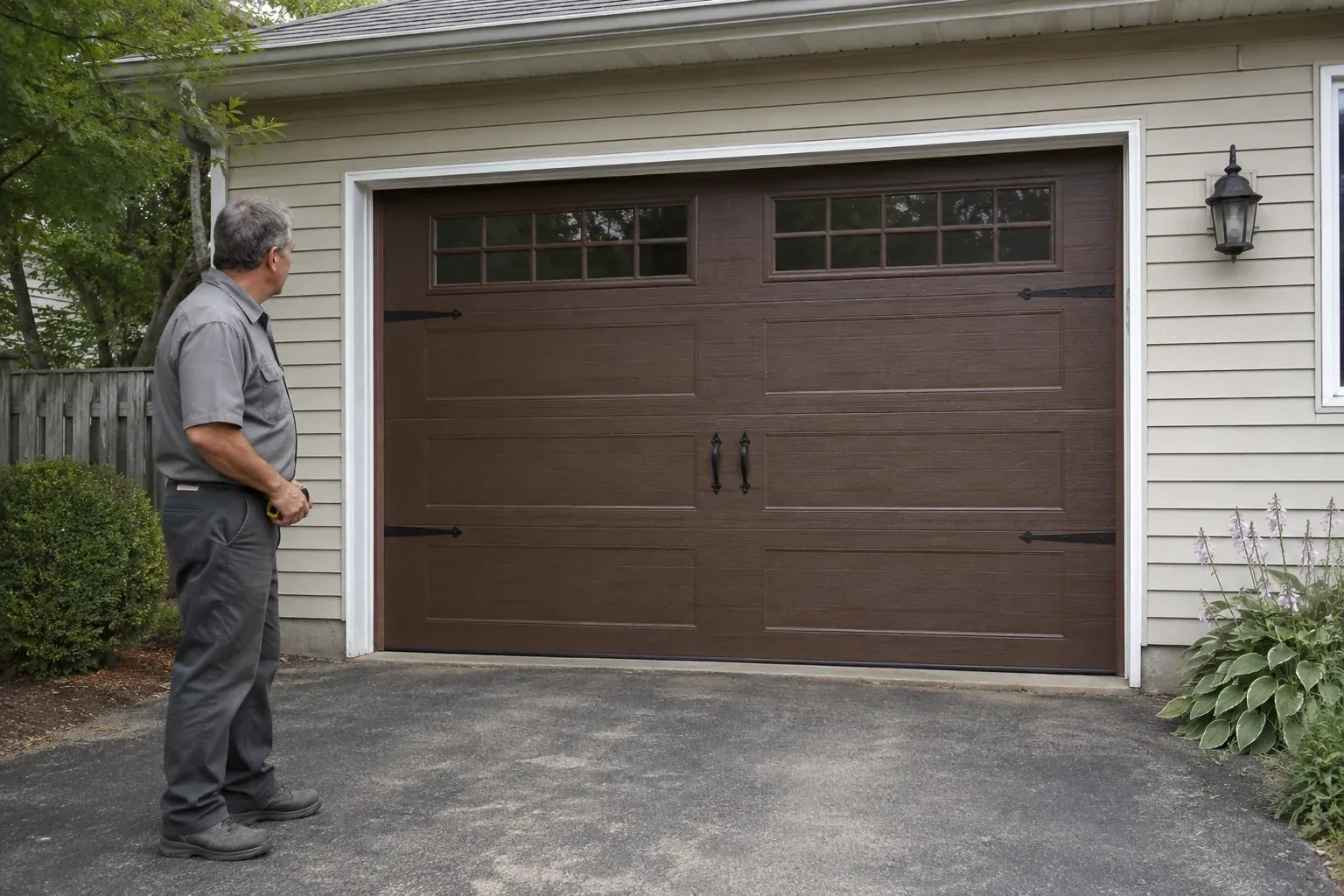 Carriage-House Garage Door InstallationTwo garage openings sit side by side, and small differences in window spacing or decorative hardware would be obvious.
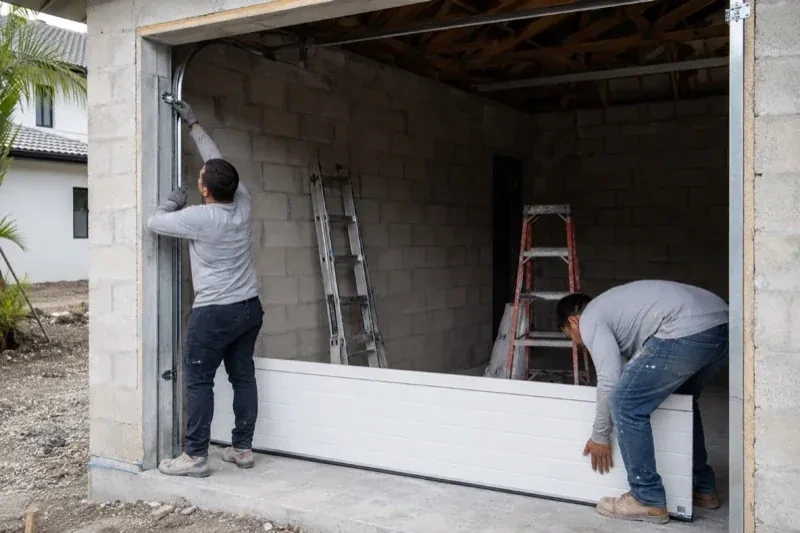 New-Construction Garage Door InstallationThe build is nearing handover and the garage still needs its main moving component.